

Teaching 9/11

Help students understand the events and lasting impact of September 11 with thoughtful guidance, discussion topics, and educational resources designed to support meaningful learning.

AGE APPROPRIATE GUIDANCE

Students’ understanding of 9/11 will vary by age and prior knowledge. Consider your students’ grade level, experiences, and questions when introducing the topic, focusing on clear, factual information while providing opportunities for discussion. The Memorial offers free lesson plans developed with area K–12 educators for grades 3–5, 6–8, and 9–12.
Explore Lesson Plans
Black and white pixelated pattern with repeated symmetrical shapes resembling stylized tridents.

APPROACHING 9/11 RESPECTFULLY

Begin by asking students what they already know about September 11 and what questions they have. Introduce the events through factual, age-appropriate information while making space to discuss the victims, first responders, different perspectives, and ways communities were affected. This approach also aligns well with the introductory activities in the Memorial’s existing lesson plans.

SUGGESTED
DISCUSSION TOPICS

Encourage students to explore questions about what happened on 9/11, the people and places affected, the role of first responders, and how the attacks changed the United States. Discussions can also connect the events to Wisconsin and students’ own communities, helping make an event that happened more than two decades ago relevant to a new generation.

HOW THE MEMORIAL SUPPORTS LEARNING

The Wisconsin 9/11 Memorial & Education Center helps bring these lessons beyond the classroom through educational resources and firsthand experiences at the Memorial. Grade-specific lesson plans, field trip activities, learning stations, and guided field trips help students understand the events of September 11, explore the Memorial’s symbolism, and connect what they learn to Wisconsin and their own communities.

FAQ's for students

September 11 can bring up many questions for students. Explore answers to common questions about what happened, the people affected, and how the Wisconsin 9/11 Memorial & Education Center helps keep their stories and the lessons of that day alive.

What happened on September 11, 2001?

On September 11, 2001, 19 terrorists from al-Qaeda hijacked four commercial airplanes. Two were flown into the Twin Towers of the World Trade Center in New York City, one struck the Pentagon in Virginia, and a fourth, Flight 93, crashed in Pennsylvania after passengers and crew fought back. The attacks killed 2,977 innocent people.

What were the Twin Towers?

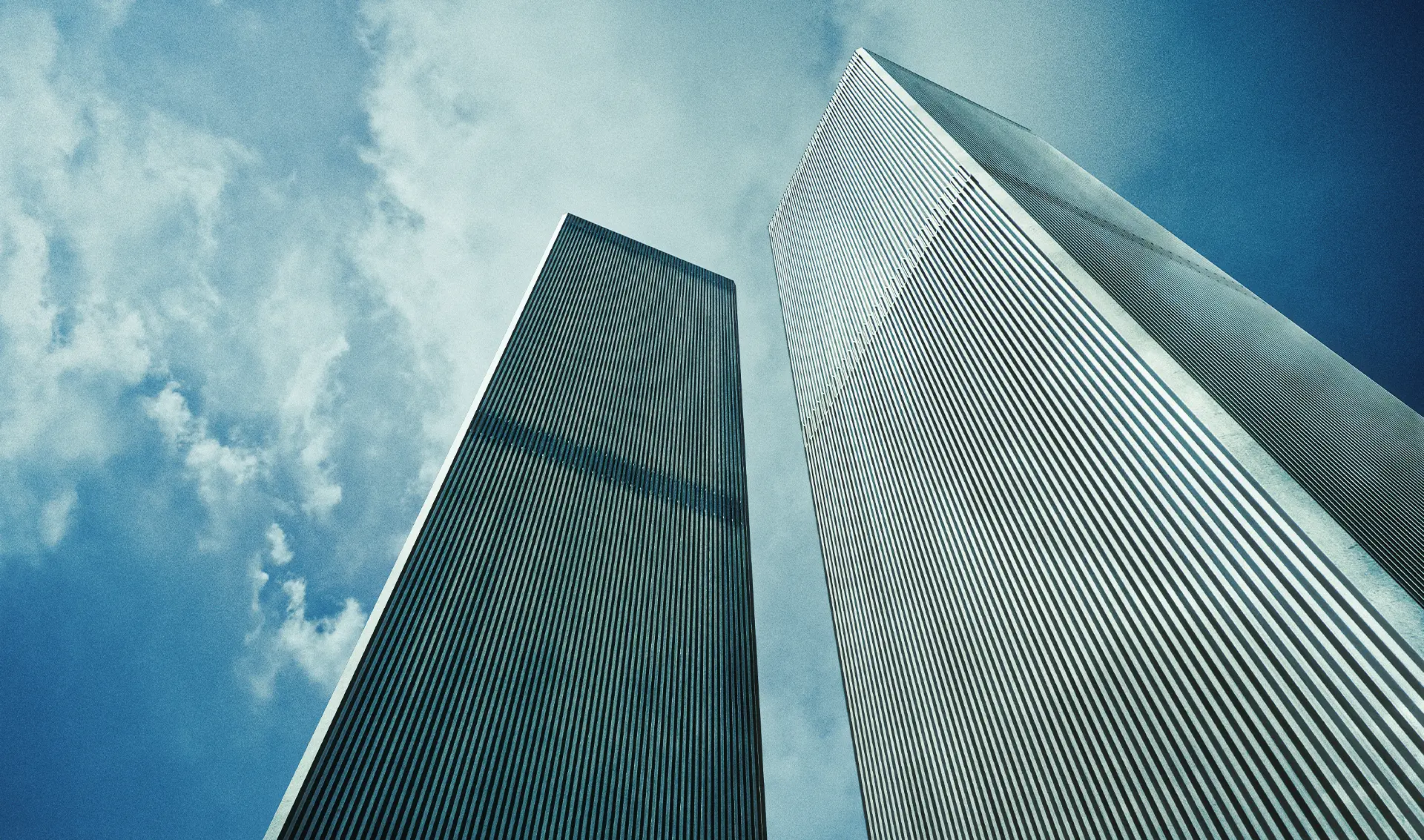
The Twin Towers were the two tallest buildings in the World Trade Center complex in New York City. They each stood 110 stories tall and were home to offices for hundreds of companies. Both towers were struck by hijacked airplanes and collapsed as a result of the damage and fires caused by the attacks.

Source: https://www.911memorial.org/911-faqs

What does 9/11 have to do with Wisconsin?

Although the attacks occurred hundreds of miles away, their impact was felt in communities across Wisconsin. Eighteen people with Wisconsin connections were killed on 9/11, and their stories help demonstrate how a national tragedy can have a lasting impact close to home.

Why is there a 9/11 memorial in Kewaskum?

The Memorial’s roots are connected to Andrea Haberman, a Kewaskum High School graduate who was killed in the North Tower of the World Trade Center on September 11, 2001. Her story inspired a community effort to create a lasting place in Kewaskum to remember Andrea, honor the other Wisconsinites who lost their lives, and ensure future generations understand the events and impact of 9/11.